







Search Results for: 45-degree tasting method
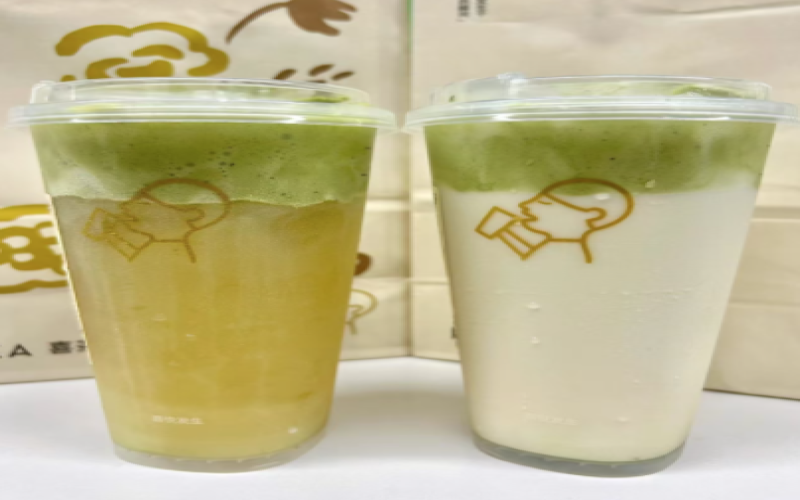
HEYTEA's Matcha Series Makes a Refreshing Comeback: Thousand-Mesh Matcha and the 45-Degree Tasting Method Lead a New Trend in Tea Drinks
Matcha, a tea beverage originating from the Tang and Song dynasties, is once again gaining popularity among young people. The new tea beverage brand Heytea recently announced its return to the matcha product line, launching two new products, "Marlmoli" and "Rich Matcha Green Beauty," featuring custom thousand-mesh matcha and a rotating cup lid design, and specifically recommends that consumers drink it at a 45-degree angle. This article introduces the features, pricing, and consumer feedback of Heytea's new matcha products, as well as the craft knowledge behind matcha powder mesh counts. At the same time, Front Street Coffee, a brand familiar to coffee enthusiasts, will also interpret the matcha trend for you from a professional perspective. [more…]
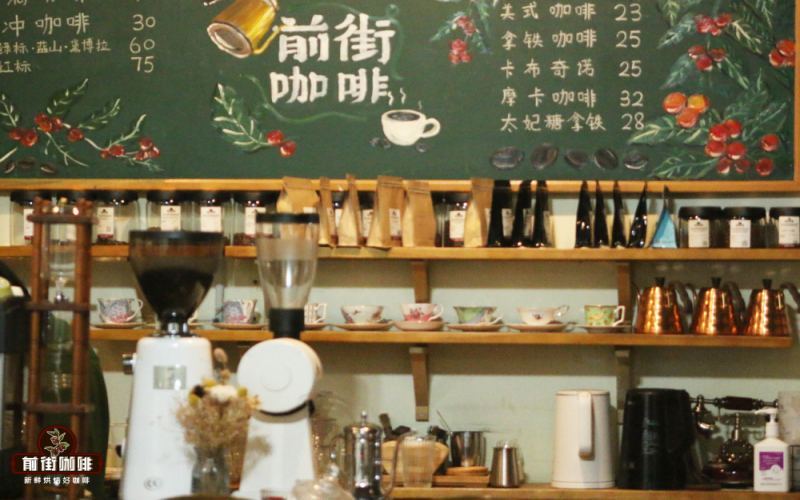
Honduran Coffee Regions, Grades, and Caturra Flavor Analysis: From Sherry Cask Fermentation to Roasting Curve Practice
Honduras is an important specialty coffee-producing country in Central America, known for its sherry barrel fermentation process and high-altitude hard beans. This article systematically reviews the country's geography and climate, coffee grading system, and main variety characteristics, with a focus on the flavor performance of varieties such as Caturra. Front Street Coffee, drawing on roasting and cupping practice, compares the cupping and brewing differences between Lychee Orchid and Sherry coffee under different profiles, analyzes the role of barrel fermentation in shaping flavor, and provides coffee enthusiasts with a complete reference from understanding the producing region to extraction application. [more…]
A Complete Guide to Honduran Specialty Coffee: Terroir, Variety Characteristics, and Roasting Guide for Sherry, Lychee, and Orchid Flavors
Honduras, as an important coffee-producing country in Central America, nurtures distinctive specialty coffees thanks to its complex terrain and diverse climate conditions. From High Grown Coffee to Strictly High Grown Coffee, from the classic Bourbon and Caturra varieties to the whisky-sherry barrel fermentation process that has gained great popularity in recent years, Honduran coffee displays rich layers of flavor. In this article, Front Street Coffee will systematically sort out the core knowledge of Honduran coffee, from producing-region geography, variety classification, green bean morphology, and roasting curve design, to the cupping and brewing performance of two distinctive beans, Sherry and Lychee Orchid, helping coffee lovers gain a deeper understanding of the unique charm of this producing region and find the cup that suits their own taste. [more…]
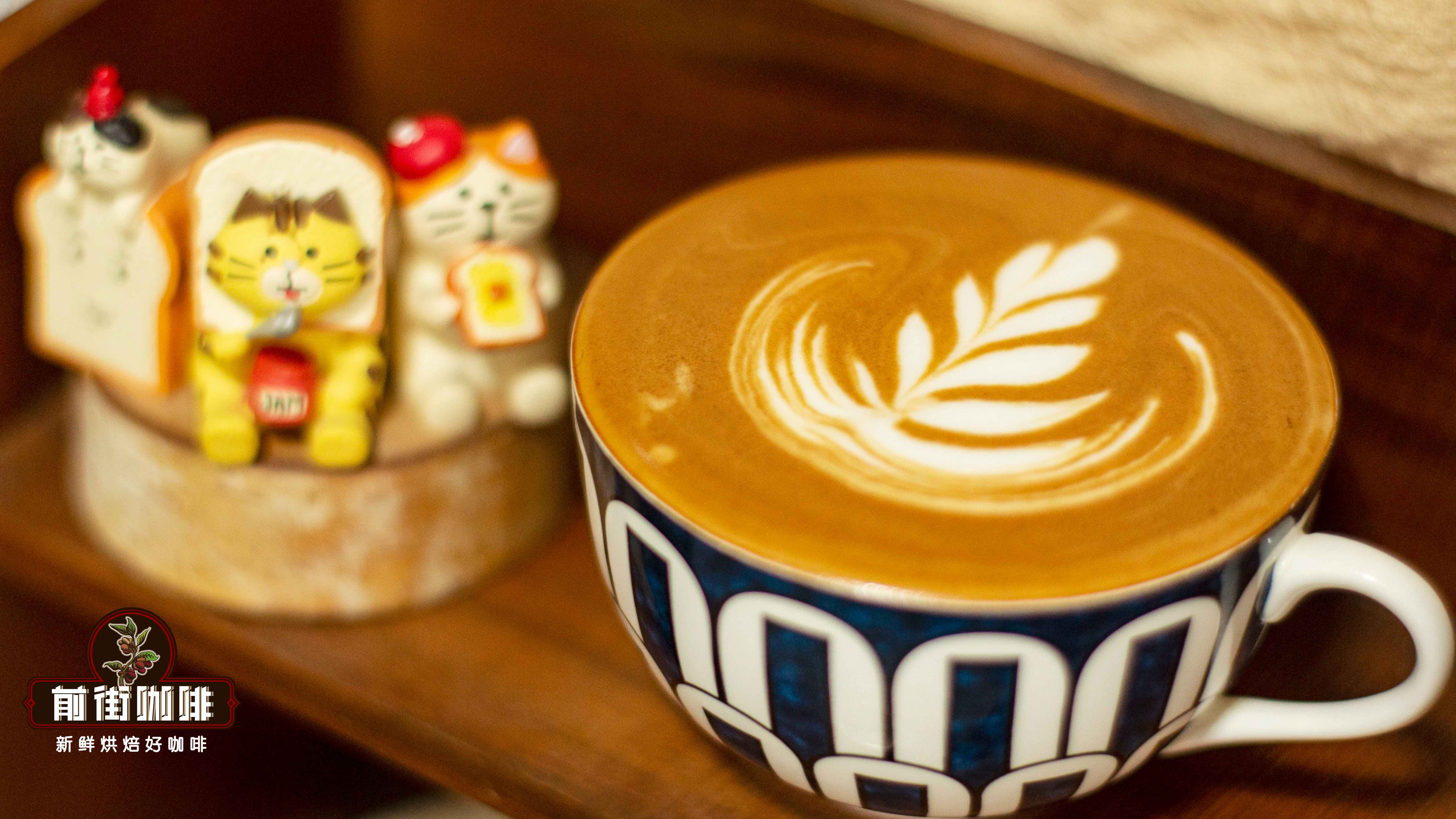
Fresh Milk Selection and Milk Foaming Explained: A Practical Guide to Making a Beautiful Heart Latte Art at Home
A latte with an exquisite latte art pattern not only enhances a coffee shop's professional image but also leaves customers with a lasting impression of the brand. In fact, creating beautiful latte art at home isn't difficult—the key lies in choosing the right milk, steaming fine and stable microfoam, and pulling a shot of espresso with just the right amount of crema. Drawing on the hands-on experience of Front Street Coffee, this article explains in detail which types of milk are suitable for latte art, the techniques for steaming milk, and the key points of espresso extraction, and then walks you through step by step the most basic yet classic heart-shaped latte art pattern, making it easy for beginners to get started. [more…]
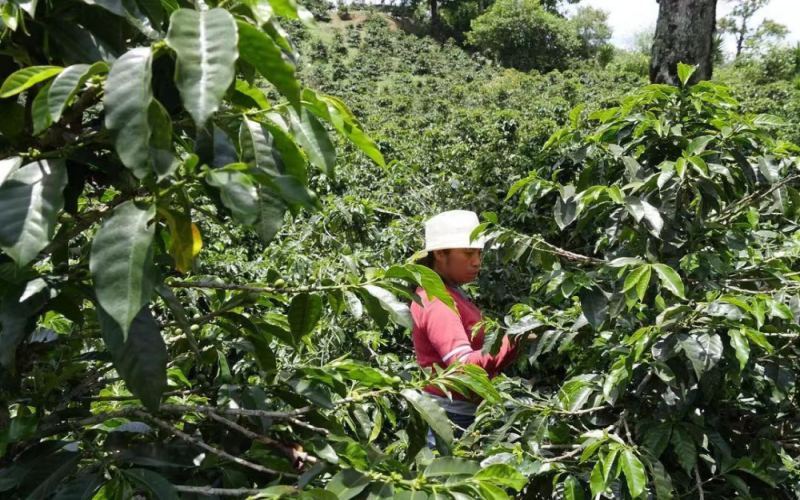
A Detailed Guide to Honduran Coffee Origins and Processing Methods, with Pour-Over Parameters for El Laurel Estate Washed Parainema
Honduras is the largest coffee producer in Central America and a globally important supplier of washed Arabica beans. From the perspective of Front Street Coffee, this article systematically reviews the origin history, washed processing procedures, varieties, and grading system of Honduran coffee, and focuses on sharing the roasting curves, cupping performance, and pour-over extraction parameters of two beans: Sweet Orange Estate and Laurel Estate. Among them, the flavor layers and grind size adjustment approach of the washed Parainema variety from Laurel Estate are the core highlights of this article, making it suitable for enthusiasts who want to gain a deeper understanding of the flavor sources and brewing details of Honduran coffee. [more…]
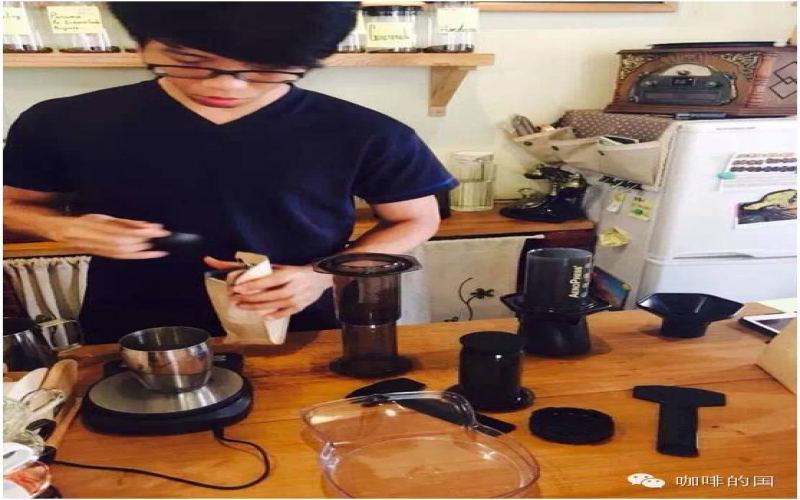
The Complete AeroPress Brewing Guide: From Step-by-Step Process to Parameter Adjustments, Make a Clean Cup of Coffee in 30 Seconds
The AeroPress has become the daily go-to for many coffee lovers thanks to its simple operation, clean cup, and strong adjustability. It works by adding water to steep the grounds and then applying pressure, forcing the coffee liquid through a paper filter to complete extraction. The paper filter traps fine particles that don't dissolve in water, resulting in a crisp, clean mouthfeel. This article breaks down the complete process step by step—from equipment preparation, grinding, pouring, stirring, to pressing—and shares precautions and common mistakes to avoid during use. Finally, it explains how to play with different flavor directions by adjusting variables such as the water-to-coffee ratio, grind size, number of filters, pressing time, and steeping duration. The article includes relevant recommendations and product information from Front Street Coffee for readers' reference. [more…]

Italian-Style Blend Bean Recipe Ideas and the Complete Latte-Making Process: From Bean Selection to Milk Frothing Techniques
Why can an unsweetened latte still taste sweet? What secrets are hidden in Front Street's espresso blend beans? Starting from the formulation logic of espresso blends, this article will break down the flavor characteristics of Front Street Classic Blend and Strawberry Candy Espresso one by one, and explain in detail the trade-offs between pre-roast blending and post-roast blending, how to determine blending ratios, as well as the milk frothing temperature, frothing technique, and coffee-to-milk ratio for lattes. Whether you are a complete beginner or someone who wants to recreate a latte with a wine-scented finish at home, you can find actionable answers in this process. [more…]
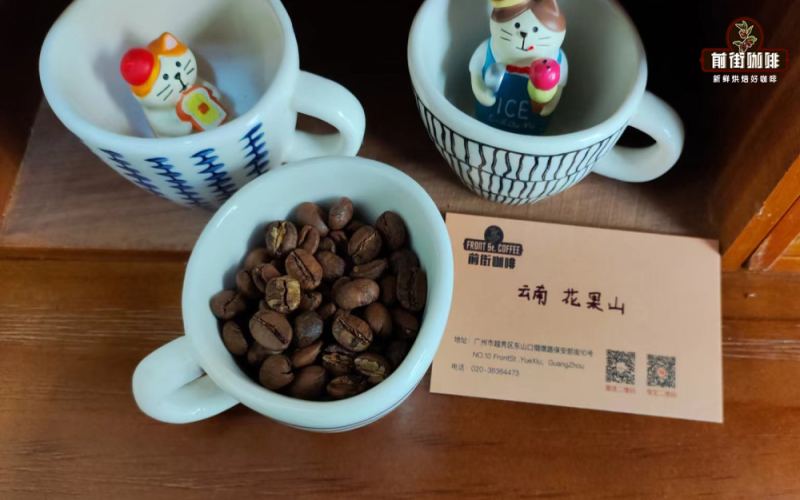
Analysis of the Three Major Yunnan Arabica Coffee Varieties: Flavor and Roasting Comparison of Typica, Catimor, and Bourbon
Yunnan coffee, also known as Yunnan small-bean coffee, is famous for its plump, uniform beans and its mellow, well-balanced taste. Front Street Coffee has always followed the development of Yunnan coffee and understands deeply how variety decisively shapes flavor. At present, the coffee varieties that can be produced on a large scale in Yunnan are mainly Catimor, Typica, and Bourbon. This article systematically reviews the historical origins, botanical characteristics, and cupping performance of these three varieties, and shares Front Street Coffee's roasting curves and brewing parameters. From the introduction of Typica by missionaries in 1904, to the large-scale promotion of Catimor because of its resistance to leaf rust, to the trial cultivation of Bourbon in Yunnan, readers can gain a comprehensive understanding of the evolution of Yunnan coffee varieties and the unique expression of each variety in aroma, acidity, and body. [more…]

Coffee Latte Art Beginner Tutorial: A Complete Guide from Espresso Crema to Heart Patterns
Many people see a barista gently flicking their wrist in a café and tracing beautiful patterns in the cup, and think it's pure magic. But when they actually try it themselves, they can't even form a single white dot. In fact, latte art is not the exclusive domain of the naturally gifted—as long as you master a few core steps, anyone can make a decent heart pattern. This article will break down the key steps of latte art one by one, from the crema state of the espresso, the steaming of fresh milk, the technique of integrating coffee and milk, to the specific skills of pouring a heart. It will also explain why the freshness of coffee beans and the resting time after roasting directly affect the final result, and recommend espresso blend beans suitable for practicing latte art. Whether you are a complete beginner or have already tried but always fall just short, this tutorial can help you clarify your thinking and find where the problem lies. [more…]
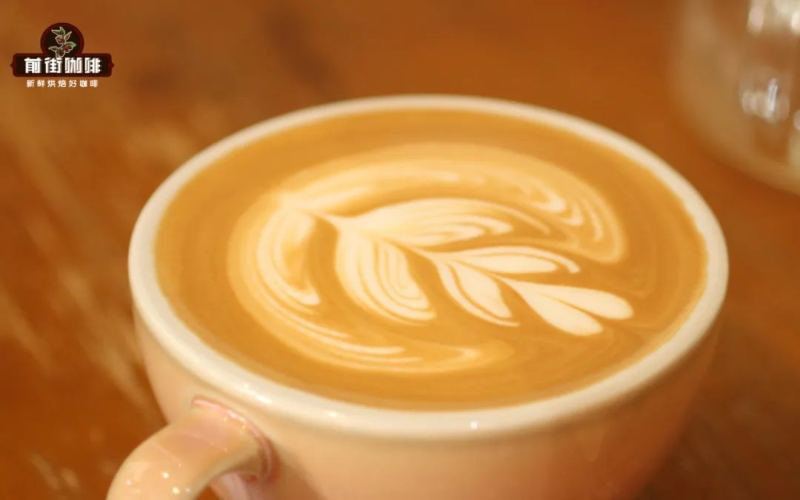
What milk to use for coffee | What milk to use for latte art with zero basics Italian latte art steps, techniques, pictures, video tutorial
Whether coffee is good or not can only be known once you taste it; but black coffee is at most just a cup of dark, unidentified liquid, so how can it entice people who don't drink coffee to want to try it? Let's not consider anything else, and focus only on what can be done with the coffee itself. Among milk coffees with added milk, latte art may be the first thing in all coffee drinks to capture [more…]
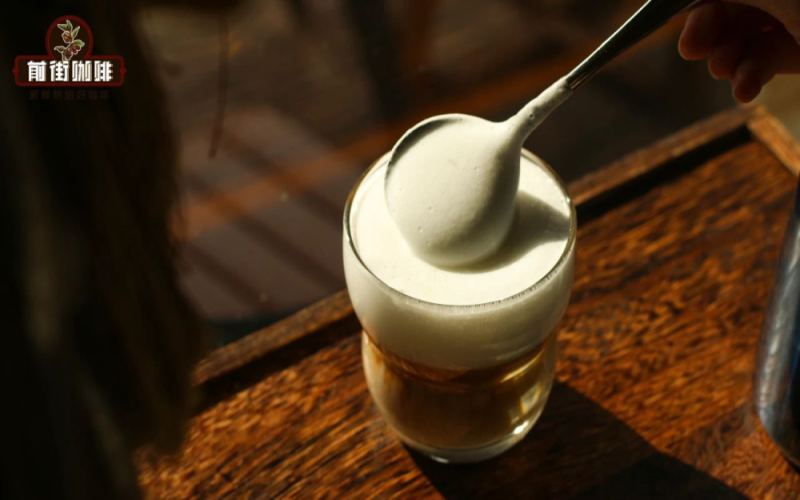
Why Can't a Siphon Make a Cappuccino? A Detailed Guide to the Equipment Threshold and Standard Methods for Italian Milk Coffee
Cappuccino is famous for its rich and full-bodied taste, and behind this lies the espresso extracted by an Italian coffee machine and the delicate, dense milk foam. Although the siphon pot looks cool, it can only produce black coffee. It can neither achieve the concentration of espresso nor froth milk, so it has no place among fancy coffees such as cappuccino and latte. This article will discuss the origin of the name cappuccino, the choice of equipment, and the standard preparation process one by one, focusing on breaking down key steps such as espresso extraction, milk frothing, and milk foam pouring, and sharing Front Street Coffee's parameters and experience in actual production, helping coffee lovers recreate a cup of cappuccino with complete structure and distinct layers at home. [more…]
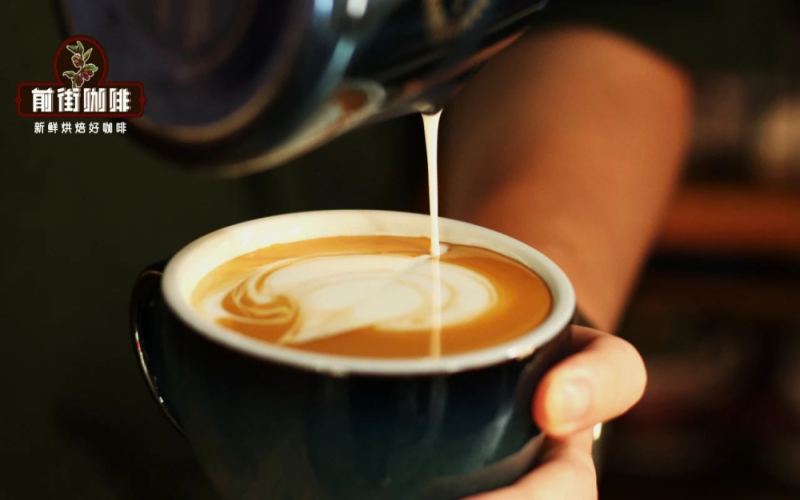
Latte Recipe | How to Make a Coffee Shop-Style Latte? What's the Right Espresso-to-Milk Ratio for a Latte? Which Coffee Beans Make a Delicious Latte?
For more specialty coffee knowledge, please follow the WeChat official account: Front Street Coffee (FrontStreet Coffee). Latte coffee is one of our most common coffee drinks. At Front Street Coffee (FrontStreet Coffee), latte coffee is also the most popular espresso [more…]
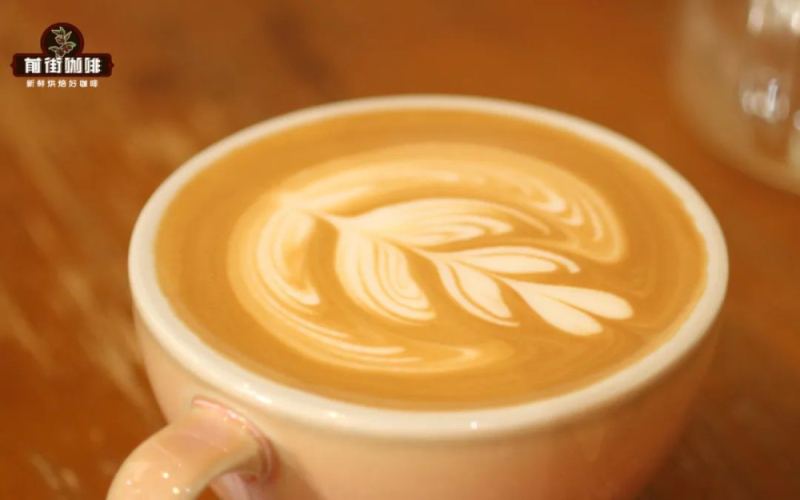
Latte Coffee Making Tutorial: A Detailed Guide from Coffee Bean Selection to Milk Frothing and Milk Ratio
Latte is the coffee drink most familiar to many people in their daily lives, but making a delicious latte requires attention to every step—from choosing the roast level of the coffee beans, to the extraction parameters of the espresso, to the techniques of steaming milk and pouring latte art. This article, drawing on the practices of Front Street Coffee, explains in detail the historical origins of latte, the types of coffee beans suitable for making lattes, the golden ratio of espresso to milk, and the staged method of steaming milk foam. It also introduces the flavor performance of Front Street Coffee's Sunflower Warm Sun blend in a latte, helping coffee enthusiasts, on the basis of understanding the principles, gradually master the key points for making a smooth and rich latte. [more…]
Detailed Guide to Latte Art Techniques: Key Points on Coffee Bean Selection, Milk Frothing, and Latte Art Integration
Latte coffee may seem simple, but it involves multiple steps such as coffee bean roast level, milk frothing, and pouring and latte art. This article traces the historical origins of the latte, analyzes the impact of coffee beans at different roast levels on latte flavor, and recommends several Front Street espresso blends suitable for making lattes. It also breaks down in detail the capacity, position, stages, and temperature control of steaming milk foam, as well as the basic process of pouring and latte art. Whether you are a beginner just starting out or an enthusiast looking to refine your flavor, you will find practical references here. [more…]
How to Make a Delicious Latte? A Detailed Guide to Espresso Blend Bean Selection and Espresso-to-Milk Ratios
Latte is one of the most frequently ordered espresso drinks in coffee shops, but a delicious latte requires attention to every step, from choosing coffee beans to steaming milk. This article begins with the history of latte, explains the roasting direction for coffee beans suitable for making lattes, introduces the flavor characteristics of Front Street Classic Blend, Dark Cocoa Base Blend, and several SOE single-origin beans, and breaks down in detail Front Street's 1:6.5 ratio of espresso to milk, the extraction recipe of 20g dose, 27 seconds, and 40g espresso yield, as well as the key points of milk frothing capacity, angle, stages, and temperature control, helping you recreate a smooth latte with lasting chocolate and caramel flavors at home. [more…]
Yunnan Red Honey Process SOE Coffee Flavor Analysis and Comprehensive Introduction to Its Taste Characteristics
Luckin Coffee recently completed its procurement plan for 1,000 tons of Yunnan specialty coffee beans for the 2020/2021 harvest season. The selected green beans come from the two major producing regions of Baoshan and Pu'er, both grown at altitudes above 1,300 meters, with SCA scores of no less than 80 points. This marks another move by Luckin into the specialty coffee segment, following the Little Black Cup SOE Yirgacheffe. This batch of Yunnan beans uses a double anaerobic fermentation red honey process, going through two anaerobic fermentation stages from fresh fruit to drying, with the fermentation rhythm controlled by monitoring color, aroma, pH value, and sugar content. This article will systematically review the producing region conditions and main variety characteristics of Yunnan coffee, and provide an in-depth analysis of the classification, process, and flavor performance of the honey processing method, helping coffee enthusiasts fully understand the true taste and quality characteristics of Yunnan red honey processed SOE. [more…]
A Beginner's Guide to Latte Art: Key Points for Making Milk Foam and a Detailed Step-by-Step Guide to Heart and Leaf Patterns
For friends who are just getting into latte art, mastering milk frothing and pouring techniques are the two most critical fundamental skills. Starting from the recommendations of Front Street Coffee, this article breaks down in detail the complete process required to make a heart-shaped cappuccino—from espresso extraction, milk selection and frothing temperature control, to the changes in pitcher height, angle and flow rate during staged pouring, all are explained one by one. At the same time, the article also provides a comparative analysis of common variables such as steam wand types and steam volume, helping beginners identify problems more quickly in practice. Whether you want to pour a neat heart or a leaf pattern, this tutorial can provide a clear reference path. [more…]
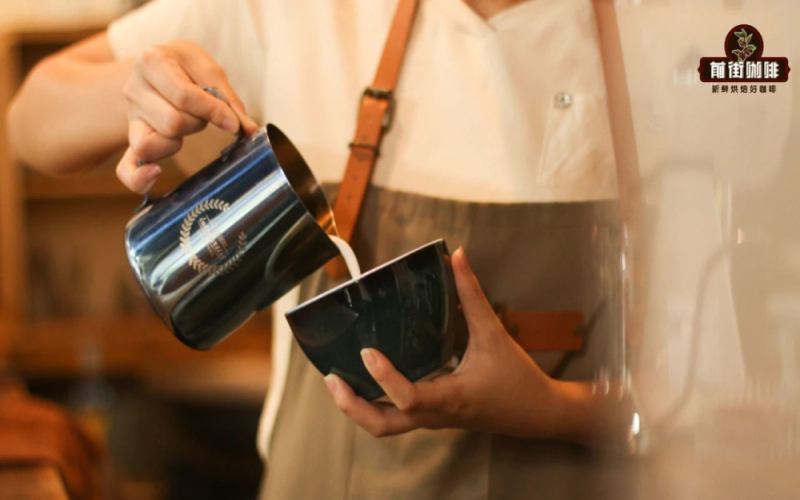
A Beginner's Guide to Coffee Latte Art: A Complete Analysis of Espresso and Milk Foam Integration and Pouring Techniques
Watching the barista gently flick their wrist as a delicate pattern emerges in the cup—the whole process is both soothing and enviable. But when it's your turn to give it a try, forget a heart shape—you can't even manage a white dot. In reality, latte art isn't some exclusive magic reserved for baristas. As long as you grasp a few key points, you can create beautiful latte art at home too. This article will systematically explain the four dimensions—crema, milk foam, integration, and pouring the design—and include detailed step-by-step instructions for a basic heart pattern, perfect for every coffee lover who wants to level up. [more…]
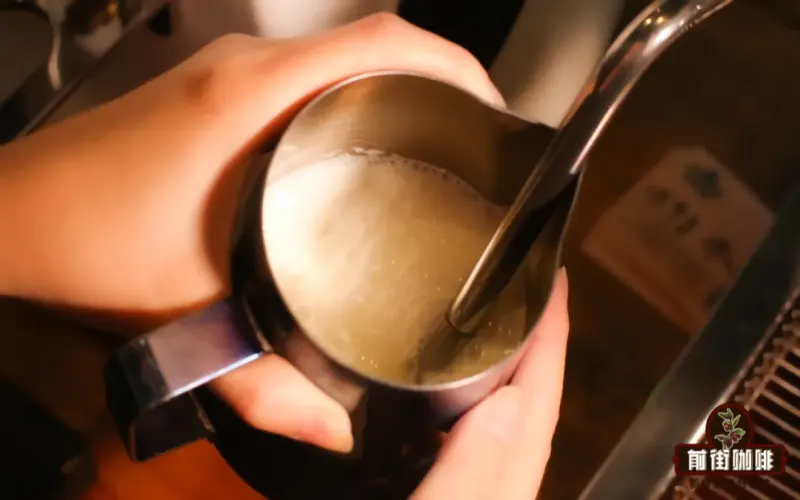
The Complete Guide to Steaming Milk Foam for Espresso Lattes: Thickness Control and Beginner-Friendly Practical Techniques Explained
Want to make dense, smooth latte milk foam but keep struggling with coarse large bubbles and uncontrollable temperature? This article starts with the historical origins of milk foam, systematically breaks down the thickness control principles of espresso milk foam, and guides you through understanding the two key stages: "aeration" and "texturing." Front Street Coffee will demonstrate step by step the practical details of steam wand angle, air intake point selection, and temperature control, and share money-saving tips for practicing with ice water. Whether you are a complete beginner or an enthusiast looking to refine your latte art skills, this tutorial can help you avoid common pitfalls and consistently create fine, delicate milk foam suitable for latte art. [more…]
How to Choose Milk and Coffee Beans for Latte? Ratio Recipe and Front Street Espresso Blend Recommendations
Latte is one of the espresso drinks that coffee lovers consume most frequently in their daily routine. The pairing of milk and espresso looks simple, but in reality, everything from bean selection to milk frothing has its finer points. This article centers on latte coffee, first tracing its historical origins, then focusing on what kind of coffee beans to choose when making a latte—medium-dark roasted blends, single-origin SOE beans, or medium-light roasted fruity beans—and what flavor directions each one presents. It then gives Front Street's latte recipe ratio and espresso extraction parameters, and explains step by step the optimal volume for milk frothing, the position of the steam wand, and the key operating points of the two stages: aeration and texturing. Finally, it explains how integration and latte art affect the mouthfeel, while recommending specific products such as Front Street Classic Blend, Dark Cocoa Base Blend, and Queen's Estate SOE. [more…]